
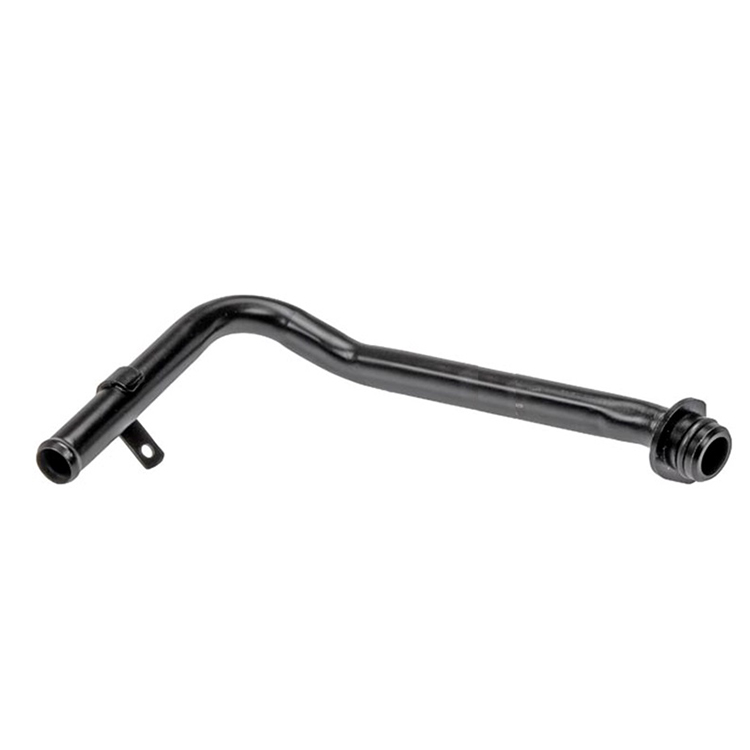
In a significant advancement for urban water infrastructure, a newly developed flexible underground water line has been introduced, promising to revolutionize the way municipal water systems are designed and maintained. This product, engineered to address common challenges associated with underground water pipelines, offers remarkable flexibility, durability, and corrosion resistance—qualities essential for the evolving demands of modern cities.
### Advancing Underground Water Infrastructure
Traditional underground water lines have long been plagued by issues such as cracking, leaking, and corrosion, leading to costly repairs and water loss. The flexible underground water line offers a sophisticated solution by combining advanced materials and innovative design, thus enhancing the lifespan and reliability of water distribution networks.
The flexibility of the new water line allows it to accommodate ground movement and vibrations without compromising structural integrity. This characteristic is particularly valuable in areas prone to seismic activity or shifting soil conditions, where rigid pipelines often fail prematurely. Moreover, the product’s corrosion-resistant materials ensure consistent performance even in aggressive underground environments, reducing maintenance needs and operational disruptions.
### Technological Excellence Rooted in Industry Expertise
The development of this flexible underground water line is backed by a company renowned for its specialization in manufacturing and developing automotive stainless steel bellows assemblies and metal pipe fittings. Although traditionally rooted in the automotive sector, the company’s technologically advanced manufacturing processes and expertise in stainless steel and metal components have enabled it to branch out into broader infrastructure applications.
With a vision to become a leading manufacturer of automobile stainless steel bellows fittings and assemblies, as well as a comprehensive system service solution provider, the company leverages its deep knowledge of materials engineering and precision manufacturing to facilitate innovations like the flexible underground water line. The company’s commitment to quality and R&D excellence ensures that the product meets stringent standards for strength, durability, and safety.
### Benefits Beyond Traditional Pipelines
Unlike conventional rigid piping systems, the flexible underground water line integrates metal bellows assembly technology which provides elasticity and expansion capabilities without sacrificing pressure resistance. This integration significantly mitigates risks of pipeline failure caused by thermal expansion, contraction, or ground settlement.
Beyond flexibility, the product features superior sealing mechanisms and metal fittings that offer a robust barrier against leaks. This is crucial for conserving water resources and maintaining system integrity. The flexible water line’s metal construction also offers enhanced resistance to external mechanical damage and chemical erosion, fostering a longer service life with lower total cost of ownership.
### Environmental and Economic Impact
Water leakage and pipeline failures contribute not only to resource wastage but also to environmental degradation. The introduction of flexible underground water lines presents a strategic environmental advantage by minimizing leaks and avoiding the need for frequent pipeline replacements or emergency repairs.
From an economic perspective, municipalities and utility providers stand to benefit from reduced maintenance expenditures, fewer service interruptions, and extended infrastructure lifecycles. The adaptability of flexible underground lines allows installation in challenging terrains without extensive excavation or reinforcement, thus lowering installation costs and timelines.
### Future Outlook and Industry Implications
As urbanization intensifies and climate variability challenges infrastructure resilience, the demand for innovative, adaptable water distribution solutions will grow. The flexible underground water line signifies a forward-thinking approach that aligns with smart city aspirations by enhancing infrastructure adaptability and sustainability.
The manufacturer continues to invest in research and system integration, aiming to expand its offerings in the metal pipe fitting and assembly sector. By applying automotive-grade precision and quality standards to infrastructure components, the company is positioned to set new benchmarks for reliability and performance in the metal bellows and piping industry.
### Conclusion
The launch of the flexible underground water line represents a major step forward in addressing the critical challenges of modern water infrastructure. Combining flexibility, durability, and corrosion resistance, this innovative product is poised to deliver substantial public and environmental benefits.
Leveraging the core competencies of a company deeply experienced in stainless steel bellows assemblies and metal fittings, the product exemplifies how cross-industry technological expertise can drive impactful solutions. As cities seek resilient and efficient infrastructure, flexible underground water lines provide a smart, sustainable pathway to secure essential water resources for future generations.